By petgroomerpayments December 9, 2025
Pets, owners, and clinic employees have all historically experienced some level of stress during veterinary visits. Conventional check-ins required hurried handwriting, clipboards, pens, and early arrival—often while handling an anxious animal. Almost everything has been made easier by digital life, but many customs still rely on antiquated systems.
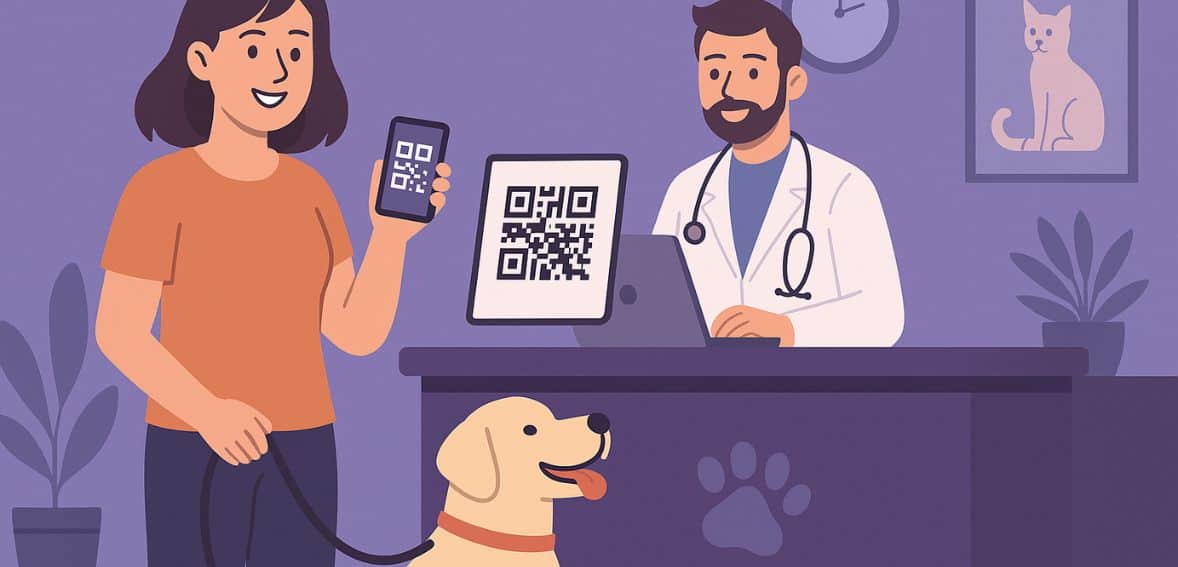
Online payments combined with digital intake forms are revolutionizing that process. Clinics can greet patients calmly and efficiently in place of disorganized lobbies and piles of paperwork.
Forms are filled out in advance by owners, payment information is securely transferred, and employees can concentrate on talking rather than entering data. This change not only improves workflow but also strengthens the clinic-client relationship by facilitating quicker, more courteous, and seamless interactions.
Why Traditional Intake Slows Everyone Down

The numerous steps involved in traditional intake frequently result in bottlenecks. Owners show up while juggling paperwork, their pet, and their purse. Before treatment even starts, staff members must decipher handwriting, retype data, and fill in any blanks. Everyone feels hurried, technicians are delayed, and waiting areas are crowded.
A slow intake procedure can cause an entire day to run behind schedule for busy clinics. The vet clinic clipboard seems antiquated and ineffective in a world where people make appointments, order groceries, and pay bills online. By moving administrative duties out of the lobby and into a more comfortable setting, digital intake addresses this issue. As a result, every visit begins much more smoothly, with fewer mistakes and better communication.
How Digital Intake Forms Improve Accuracy
Paper forms are notorious for having missing information, inconsistent answers, or handwriting so ambiguous that employees have to make educated guesses or give the client a call back. Many of these problems are eliminated by digital intake forms.
Owners are guided through structured questions, phone numbers and email formats are verified, and necessary fields are required before submission. To improve consistency, forms can have dropdown menus for dietary notes, breed information, and medications. Pre-organized information allows medical professionals and technicians to concentrate on patient care rather than clarification.
Better medical decisions are supported by this increased accuracy, which also lessens the need for repeated discussions and aids in the maintenance of transparent long-term records. Pets benefit most from accurate intake because accurate information results in quicker, safer, and more assured clinical decisions.
The Convenience of Pre-Visit Submission
Timing is one of the main benefits of digital intake. Owners fill out forms at home, frequently with their pet close by and prescription drugs on hand, rather than cramming paperwork into ten minutes at check-in. They can provide more context, double-check histories, and respond calmly. Owners who might otherwise rush through unfamiliar questions while juggling a leash or carrier will feel less stressed as a result.
Staff members receive completed forms hours prior to the visit, which benefits clinics as well. Before the patient arrives, they can proactively review concerns, set up exam rooms, and identify any unusual symptoms. Pre-visit submission makes the lobby less crowded, cuts down on wait times, and puts the appointment on a more seamless, predictable course from the moment the doors open.
Smart, Adaptive Forms for Different Visit Types
Digital forms can intelligently adjust to the purpose of the visit. Vaccination history, nutritional information, or prior records may be requested during a new patient appointment. Symptoms, behavioural changes, or exposure risks may be the main topics of a sick visit.
Pre-operative consent and follow-up instructions can flow naturally from a surgical intake form. Owners receive a clearer, more customized experience due to these adaptive forms, which also remove unnecessary questions.
Clinics benefit from increased context and fewer information gaps, which aid teams in creating appropriate diagnoses and treatment strategies. Digital forms feel intentional and user-friendly in contrast to a clipboard, which is universally applicable. Owners feel understood before they even speak to a team member due to this personalization, which builds trust right away.
Integrating Payments into the Intake Process
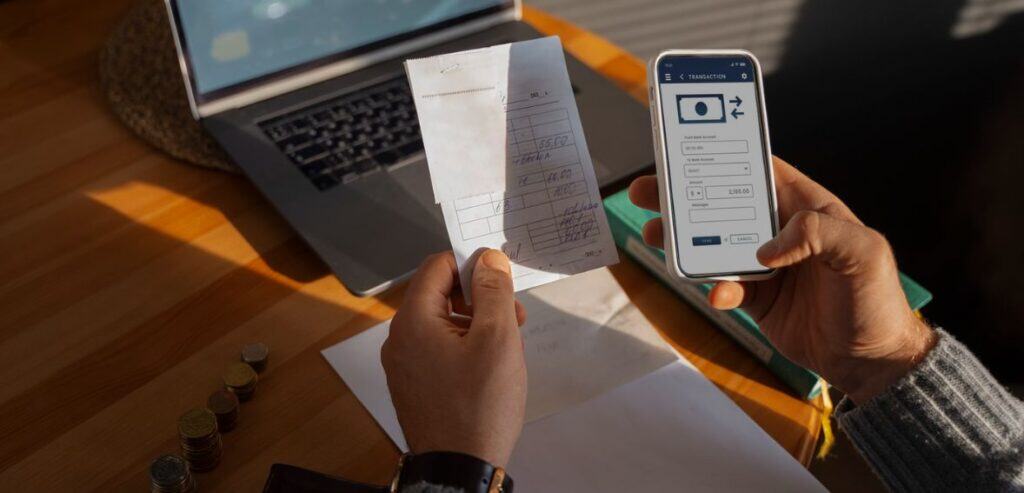
Check-in is slow, and checkout is disorganized when intake and payments are handled independently. Order is brought to both ends of the visit by incorporating safe payment methods into digital intake. Owners have the option to pre-approve a spending cap for their pet’s care, authorize deposits, or keep a card on file.
This merely sets up the system for seamless processing in the future rather than locking them into charges. Clinics don’t have to spend as much time manually entering card numbers, printing invoices, or pursuing payments—especially as more pet-focused businesses shift toward contactless payments to reduce friction and improve checkout speed.
Long lines and awkward conversations at the counter, which can already be emotionally charged, are eliminated for owners. Integrated payments make the cost of veterinary care predictable, simple, and transparent rather than a source of friction.
Faster Check-In Means Calmer Visits
The tone of the entire visit is established by a more relaxed check-in. Owners feel more at ease when they arrive knowing that the paperwork and payment formalities have already been taken care of. Technicians can handle pets more easily since they detect this calmer spirit as well. The front desk may provide instant assistance and direct instruction in place of a busy lobby full of fumbling papers.
Appointments can begin closer to their planned timings as a result of the improved flow during peak hours. Digital input significantly increases timeliness and lowers owner annoyance for clinics that suffer from lobby congestion or operating behind schedule. Every pet that enters the facility and the whole veterinary staff benefit from a more seamless arrival, which also results in a more seamless visit.
How Digital Intake Supports Staff Efficiency
Employees don’t have to constantly enter data or maintain papers thanks to digital technologies. The front desk may transition from clerical labor to actual client assistance after forms are preloaded into the practice management system. Instead of learning facts at the last minute, technicians may schedule tests, study histories ahead of time, and anticipate demands.
Better educated, doctors may concentrate on patient care rather than administrative gaps when they walk into exam rooms. Instead of expending energy on monotonous chores, this enables each team member to utilize their most valuable abilities. Staff members feel less overburdened, more supported, and more in line with the goals of the clinic as a consequence. Digital intake boosts morale in addition to improving operations.
Reducing Payment Friction at Checkout
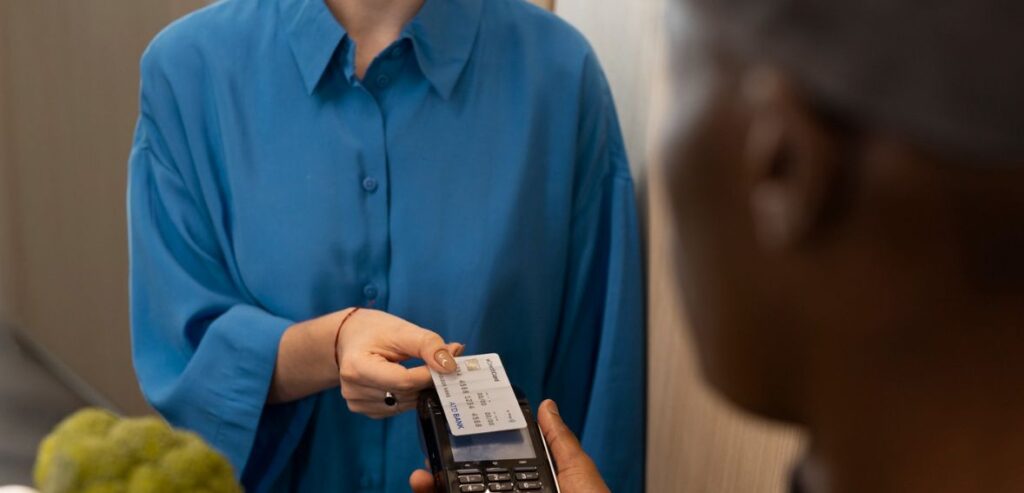
For owners, checking out is sometimes the most stressful time, particularly when handling unexpected discoveries. Much of the emotional burden is eliminated with integrated card-on-file payments. Once services are verified, the system may rapidly finish charges rather than requiring employees to wait at the counter while they compute totals and process cards.
Owners may depart faster and obtain a digital receipt, which is crucial following lengthy or emotionally charged visits. There are fewer refused cards, abandoned bills, and time-consuming follow-ups at clinics. Instead of becoming a bottleneck at the conclusion of treatment, payment becomes a simple, seamless, and nearly imperceptible process.
Both the owner’s time and the clinic’s workflow are respected by this efficiency. As clinics streamline checkout with digital tools and card-on-file systems, keeping pace with modern veterinary payment trends helps ensure both speed and security for owners and staff.
Improving Financial Stability for Veterinary Practices
Improved cash flow and reduced administrative expenses are directly impacted by digital payments. Clinics see fewer delays and missing payments when deposits, pre-authorizations, or card-on-file agreements are in place. Practices may more confidently handle payroll, inventory, and equipment investments thanks to this steadiness.
Additionally, automated processing lessens the cost of monitoring past-due balances, charge disputes, and human mistakes. Secure saved payments make recurring invoicing easy for clinics that provide subscription services or wellness programs. Practices position themselves for long-term viability and expansion by upgrading finance operations. Teams can devote more emphasis to patient care rather than collection activities when there is financial transparency.
Enhancing Client Communication Through Digital Tools
Clinics have a new opportunity to communicate more regularly and effectively due to digital intake forms. Based on the owner’s reactions, digital follow-ups, automated confirmations, and customized reminders can be issued. During the exam, the team may proactively address any issues raised by the client on the form, fostering a sense of attentive care.
Additionally, last-minute uncertainty and misunderstandings are decreased via digital communication. Owners value being fully informed about what to bring, how long the appointment will take, and potential fees before they arrive. This openness improves the client connection overall by building trust and lowering fear.
Reducing Lobby Congestion and Noise

For pets, veterinary lobbies are frequently noisy, crowded, and unpleasant places. Owners spend less time in that setting thanks to digital check-in. When an exam room is available, many clients can skip the front desk completely and go straight to it. This minimizes interactions between aggressive animals, lowers noise, and eases pet anxiety.
Employees may more deliberately control traffic flow, delaying arrivals and minimizing congestion during busy hours. There is a sense of professionalism and sympathy in quieter lobbies. Additionally, they increase perceived value since owners believe that better medical care is correlated with more efficient logistics. In the local veterinarian market, having a calmer, cleaner lobby becomes advantageous.
Supporting Curbside and Hybrid Care Models
During the pandemic, curbside treatment increased dramatically, and many clinics are still using hybrid models because of their effectiveness. This format is ideal for digital intake forms. Owners don’t need to enter the building to authorize payments and offer full histories from the comfort of their own home or vehicle.
Pets may be swiftly retrieved by technicians, updates can be sent via messaging applications, and pets can be returned without the need for written documentation. Owners with restricted mobility, busy families, and immunocompromised customers are all supported by this simplified procedure.
Instead of being a short-term fix, hybrid care becomes a long-term solution. Clinics can meet patients where they are, literally, and offer treatment in a manner that works best for them due to digital technologies.
Better Preparation for Complex Medical Cases
Detailed information is needed for appointments related to chronic disease, geriatric examinations, behavioural consultations, and surgical procedures. Owners can carefully and thoroughly give this background using digital intake forms. Clinics can evaluate the data in advance and set up the necessary equipment, drugs, or diagnostics.
When filling out documents without a deadline, owners are less likely to overlook crucial information. Exams are more effective as a result of this better preparation, and there are fewer follow-up inquiries and repeat visits due to incomplete information. Every minute saved for medically complicated dogs increases the amount of time that clinicians and owners can spend having meaningful conversations and working together to make decisions.
Creating a Modern, Professional Brand Image
Owners frequently mistake digital proficiency with medical proficiency. Digital intake and payment systems demonstrate a clinic’s professionalism, organization, and dedication to customer convenience. Compared to clipboards and handwritten forms, clean digital workflows seem more contemporary and reliable. Loyalty and general satisfaction are impacted by this view.
Tech-savvy customers and younger pet owners who anticipate flawless internet services are drawn to a robust web presence. Additionally, it sets the clinic apart from rivals that continue to employ antiquated procedures. The clinic creates a brand image that is consistent with superior medical treatment and excellent customer service when every stage of the visit—from scheduling to checkout—feels unified and modern.
Building Long-Term Loyalty Through Ease and Consistency
One of the main factors influencing loyalty in veterinary practice is convenience. Owners feel taken care of when visits go well, documents are easy to complete, and payments are effortless. Regardless of who is working that day, every customer receives the same straightforward directions, simple check-in, and seamless checkout thanks to digital technologies.
Reliability fosters trust, and consistency fosters reliability. Clients eventually come to identify the clinic with comfort rather than anxiety. Pets also gain from speedier transitions to care, less time spent in the waiting area, and reduced owner stress. Simple experiences promote repeat business, uphold compliance, and strengthen enduring customer connections.
Conclusion
In addition to improving technology, digital intake forms and integrated payments alter the emotional climate of veterinary practice. They make things easier and more compassionate for dogs, less stressful for owners, and less demanding for employees. Clients feel assisted as soon as they schedule, rather than struggling with paperwork.
Employees may concentrate on communication and empathy rather than continual administrative pressure. Check-in becomes more efficient, peaceful, and intentional. The personal connection that characterizes excellent veterinary care is enhanced, not replaced, by digital technologies when utilized carefully. In addition to being quicker, the future is also kinder, clearer, and more in line with what customers and pets actually need.
FAQs
How do digital intake forms improve the check-in process at veterinary clinics?
They eliminate paperwork delays, reduce handwriting errors, and allow owners to submit accurate information before arrival, creating a faster and smoother check-in experience.
Are digital intake forms secure for collecting pet and owner information?
Yes. Modern platforms use encryption, secure storage, and HIPAA-compliant systems to protect medical histories, payment data, and personal details.
Can integrated payments reduce checkout times in veterinary clinics?
Absolutely. With card-on-file or pre-authorized payments, clinics can complete transactions instantly, reducing lines and easing stress for owners and staff.
Do digital forms help veterinary staff provide better medical care?
They do. By receiving complete histories and concerns ahead of time, veterinarians can prepare for cases, reduce missed details, and make faster, more informed medical decisions.
Are digital intake tools useful for curbside or hybrid veterinary care?
Yes. They allow owners to submit forms and authorize payments remotely, making curbside, telehealth, and hybrid appointments more efficient and communication-friendly.